lifestyle
Roller Magic: The Complete Guide to Roller Skating
Your full roller magic guide to roller skating: beginner basics, skate buying tips, indoor vs outdoor, fitness benefits, parties, safety gear, and more.
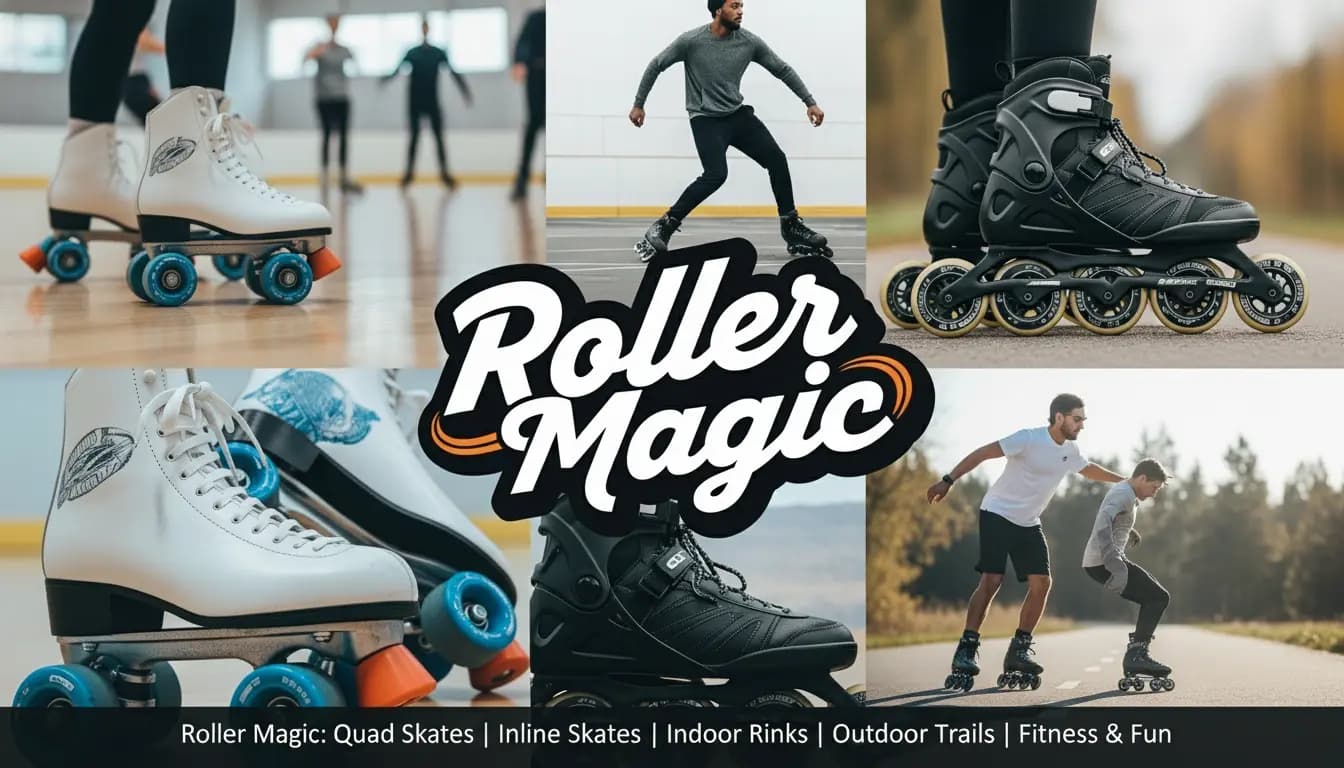
Roller Magic is a complete resource for roller skating, covering quad skates, inline skates, indoor rinks, outdoor trails, fitness, and parties. Beginners should start with fitted skates, full protective gear, and short 20-minute sessions three times per week. Most new skaters feel confident within 3 to 4 weeks of consistent practice.
Roller skating is having a real moment again. Outdoor paths are busier, rinks are booked for birthdays, and social feeds are full of skaters of every age learning tricks for the first time. If you have been curious about stepping into a pair of skates, or dusting off an old pair from the garage, you are in good company. This roller magic guide is built to be your starting point and your return visit whenever you need a refresher.
We put this pillar together as the front door to everything on the site. Think of it as the map. Each section below gives you the short answer first, then points you to a deeper article if you want the full walkthrough. By the end, you will know what gear to look at, where to skate, how to stay safe, and how to keep improving. Then you can take our short quiz and get matched to the right starting skate for your goals.
What is roller magic and what does this guide cover?
Roller magic is the name we use for the full roller skating world on this site: quad skates, inline skates, indoor rinks, outdoor trails, fitness sessions, jam skating, derby, and family skate nights. This guide is the pillar that ties every topic together. Each section gives a direct answer, then links to a deeper article when you want more.
The plan is simple. You skim the headings, stop at the sections that match your goal, and follow the links when a topic pulls you in. Parents looking to set up a first skate for their kid will land in different sections than an adult returning to skating after twenty years. Both are welcome, and both are covered below.
Roller Magic tracks gear from the major roller skate brands, reads rink owner guidance, and tracks how skating communities grow. Written for readers first. No filler, no jargon, just the information you need to get moving and stay moving.
How do you get started with roller skating
Getting started with roller skating comes down to three things: a pair of skates that actually fit, a safe flat surface, and short regular practice. Most new skaters feel wobbly for the first session and notably steadier by the third. The fastest path is ten to thirty minute sessions several times a week rather than one long day.
Your first session checklist
Pick a surface that forgives mistakes. Grass, carpet, or a soft rubber gym floor let you stand up in skates without rolling anywhere. This sounds basic, and it is also the step most people skip. Standing still in skates trains your feet before your nervous system has to deal with motion too.
Once you feel planted, move to smooth pavement. An empty parking lot early on a Sunday works well. So does a quiet weekday rink session. Bend your knees, keep your chest a touch forward of your hips, and look ahead rather than down at your feet.
How long until it clicks
Reading many beginner stories, the common pattern is two to four sessions to feel in control, and a few weeks of regular skating to feel confident going faster and turning. For a full step by step walkthrough, read our guide on how to learn how to roller skate for beginners. It covers stance, first strides, stopping, and a four week practice plan.
How do you learn to balance, stop, and fall safely
Balance, stopping, and falling are the three survival skills of roller skating. Balance comes from bent knees and a centered stance. Stopping starts with the toe stop on quads or the heel brake on inlines. Falling safely means landing on pads, not wrists, and learning to go down on purpose so the first real fall is not a shock.
Balance feels mysterious at first, but it is trainable. Stand on one foot at home while brushing your teeth. Do slow squats. Practice standing on grass in your skates without rolling. When you feel steady, try small side to side weight shifts. Our detailed drill set lives in the article on how to balance on roller skates, including three exercises you can do at home in under ten minutes.
For stopping, quad skaters lean forward onto the toe stop and inline skaters drag the heel brake. Both take repetition. Do not wait for your first fast roll to practice. Build the muscle memory early, at slow speed, on safe ground.
What roller skating tips actually build skill fast
The skills that separate shaky beginners from confident skaters are unglamorous and repeatable. Keep your knees bent. Keep your weight centered. Look where you want to go. Skate short sessions often. Record yourself on your phone every few weeks so you can see progress that feels invisible from the inside.
Practice smarter, not longer
Two thirty minute sessions beat one three hour marathon. Muscles and nervous system both learn better in short focused reps. If you have an hour, break it into blocks: warm up, one skill focus, free skate, cool down. This simple structure makes every session feel productive.
Small habits that compound
Lace your skates properly every time. Loose top eyelets are the top cause of ankle wobble. Check your trucks for looseness before every session. Swap worn wheels before they get chunky. These small habits keep your skates predictable, and predictable skates build faster progress. Our full list lives in our write up of roller skating tips that actually work.
How do you choose the right roller skates
The right roller skates fit snugly with no heel lift, match your main surface (indoor, outdoor, or both), and come from a roller skate maker known for real quality. Entry and mid tier models from the big brands are usually the best first purchase. Toy grade skates with soft plastic boots and wobbly trucks make learning harder and get replaced quickly.
Fit comes first
Fit matters more than style. Your toes should touch the front lightly when standing and pull back a few millimeters when you bend your knees. Your heel should stay locked. A skate that slips at the heel or pinches across the top of the foot will frustrate you before the wheels even start turning.
Indoor, outdoor, or both
Indoor wheels are harder and faster on smooth rink floors. Outdoor wheels are softer to absorb cracks, gravel, and sidewalk texture. Many skaters buy one skate and keep two sets of wheels. For a deeper buyer walkthrough including specific model ranges, see our guide to the best roller skates for beginners.
Reputable roller skate makers include Moxi, Riedell, Sure-Grip, Chaya, and Impala. Staying inside that group of brands lowers the risk of a bad first purchase.
Indoor vs outdoor roller skating: which is better
Neither is better. They are different sports sharing the same skates. Indoor skating is smoother, warmer, more social, and easier for beginners. Outdoor skating gives you more freedom, better cardio, and tougher terrain. Most skaters end up doing both, with one skate and two wheel sets or with two dedicated pairs.
What indoor skating gives you
Indoor rinks are the easiest environment to learn in. The floor is predictable, the lighting is consistent, and there is no wind, sun, or rough pavement. Music, community, and rental skates lower the barrier for new skaters. Rink sessions are also where most local skate communities live.
What outdoor skating gives you
Outdoor skating opens up paths, boardwalks, park loops, and quiet neighborhood streets. The surfaces vary, so your balance and control improve faster out of necessity. Cardio goes up because wind and slight inclines add resistance. For the full comparison including wheel hardness charts and terrain tips, read our full write up on indoor vs outdoor roller skating.
Quad skates vs inline skates: what is the difference
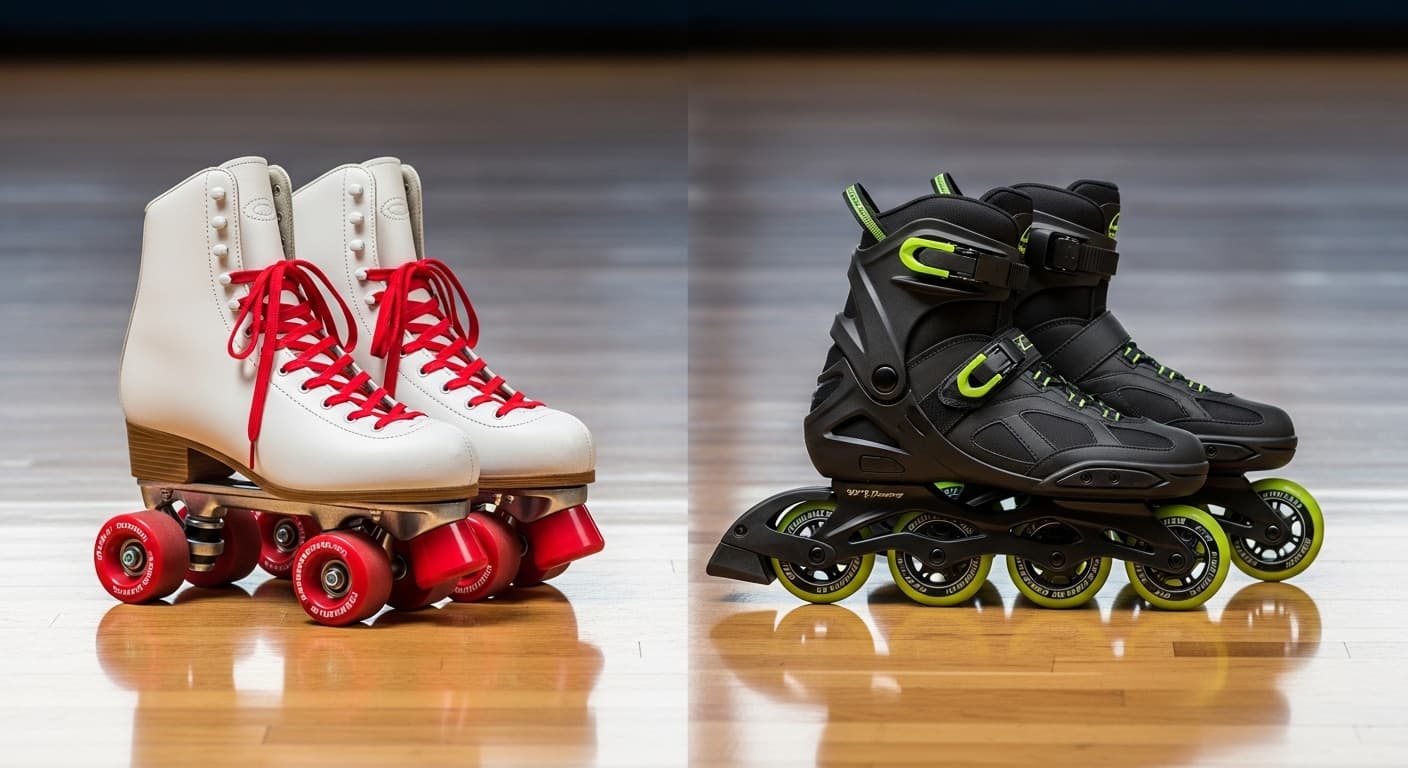
Quad skates have four wheels arranged in a rectangle under a boot, like a traditional rink skate. Inline skates have three to five wheels in a single line. Quads feel more stable at slow speeds and better for dance, jam, and rink skating. Inlines roll faster, corner sharper, and dominate fitness, speed, and aggressive skating.
Which should a beginner pick
Most new skaters do well on quad skates. The wider wheel base makes balance easier while your body is learning to stand and shift weight. If your main goal is fitness mileage on bike paths, inline skates may serve you better because they glide more efficiently over distance.
Can you switch later
Yes, and many skaters do. People often start on quads, add inlines for outdoor cardio, and keep both in rotation. The balance and weight transfer skills you learn on one style mostly carry to the other, though the stopping mechanics are different enough to practice on each.
Is roller skating good exercise?
Yes. Roller skating is a full body low impact cardio workout that trains your legs, core, and balance. The U.S. Department of Health and Human Services Physical Activity Guidelines list skating among recommended moderate and vigorous aerobic activities depending on effort level. Most regular skaters report steadier cardio, stronger legs, and improved balance within a few weeks of consistent sessions.
The muscles skating works
Quads, glutes, hamstrings, calves, and hip stabilizers all fire through every stride. Your core works constantly to keep you upright, especially on turns. Because skating is low impact, joints take less pounding than running, which is why many former runners with knee pain turn to skating as a lifelong cardio option.
Fitness beyond the obvious
Balance improves. Coordination improves. Leg endurance improves. Mood improves too, which is harder to measure but easy to feel once music is playing and you are rolling. For a deeper look at calorie burn, joint impact, and sample skate workouts, read is roller skating good exercise.
Can every age and body enjoy roller magic?
Yes. Roller skating is one of the most inclusive sports around. Kids as young as three can start on adjustable skates. Teens often gravitate to jam and aggressive styles. Adults come back for fitness and nostalgia. Seniors skate for balance, social time, and low impact cardio. Plus size skaters have a strong community and access to boots built for higher weight capacities.
Kids and teens
Young skaters do best with adjustable quad skates that grow with their feet and a helmet from day one. Short sessions with lots of praise build confidence. Indoor rinks with smooth floors and soft pads are the friendliest starting environment.
Adults and seniors
Adults often progress faster than they expect because they practice more deliberately. Seniors benefit from the balance work. The key for both groups is easing in with short sessions, full protective gear, and a patient plan. Skating communities tend to be warm and multi generational, so you will not feel out of place.
Plus size skaters
Many roller skate brands now publish weight ratings and offer wider boots. Choosing a skate rated for your weight is the single most important step. The skate is the tool, not the obstacle.
How do you plan a roller skating party or event
A good skating party starts with the right venue, the right time slot, and a clear list of who needs rental skates and who is bringing their own. Most rinks offer private party packages with reserved floor time, a party room, and skate rentals bundled in. Booking two to four weeks out is usually enough for a typical birthday or group event.
Venue and timing
Weekend mornings and early afternoons are family friendly. Evenings skew older and more social. Ask the rink about private floor options if you have a large group of beginners, since a shared public session with experienced skaters can intimidate first timers.
Logistics that matter
Line up helmets for kids, confirm whether the rink allows outside food, and build in a short skate lesson at the start if most guests are new. A ten minute group lesson before free skate makes the entire party smoother. For venue checklists, theme ideas, and a full planning timeline, see our guide on how to plan the perfect skating party.
What safety gear do roller skaters actually need
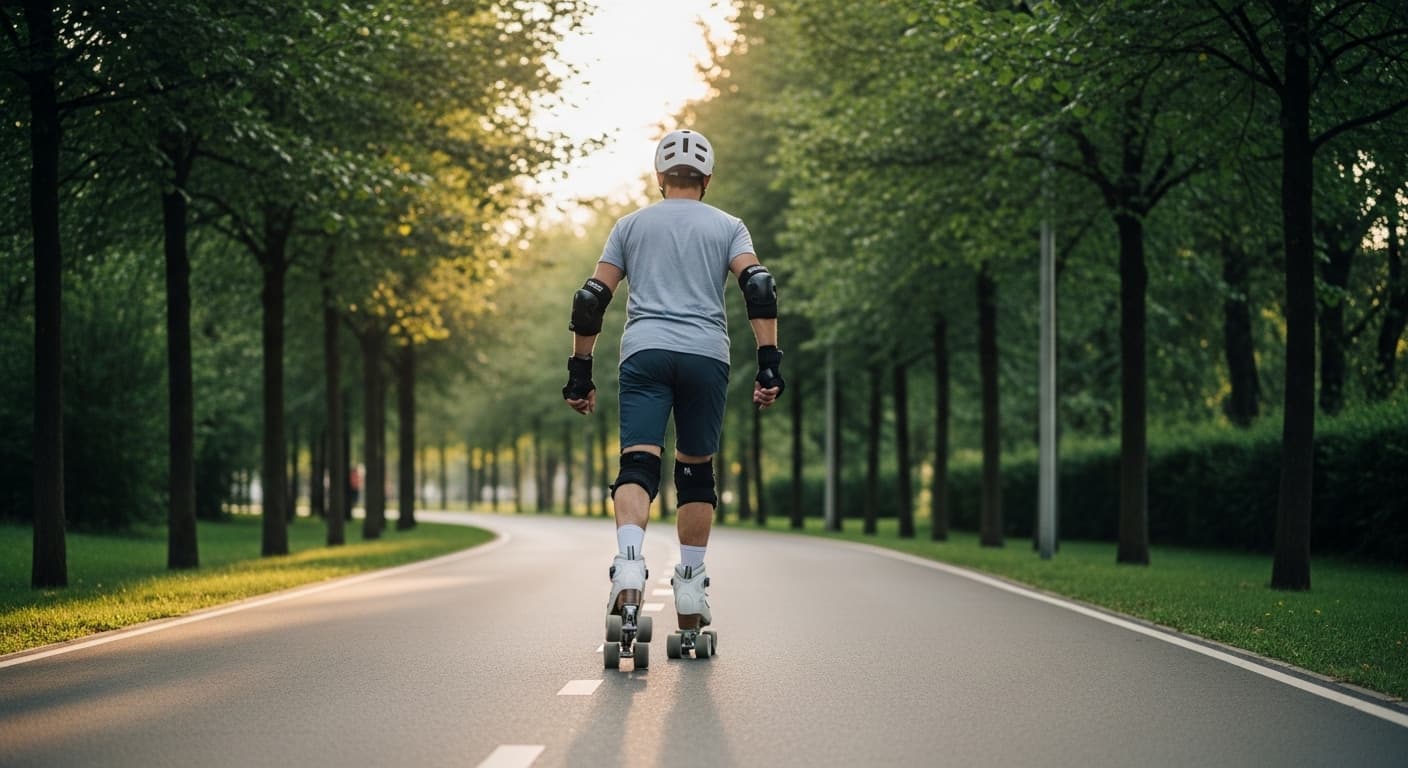
A helmet, wrist guards, knee pads, and elbow pads are the core four. Wrist injuries are the most common beginner injury in roller skating because new skaters instinctively catch themselves with their hands. Wrist guards prevent most of those. A helmet prevents the injuries you cannot recover from. Full gear is cheap relative to one medical visit.
What to buy first
If you can only buy one item, buy wrist guards. If you can buy two, add a helmet. Knee and elbow pads fill out the kit and let you practice falling drills without bruises. Certified helmets built for skating or multi sport use are preferred over bike only models because they cover the back of the head better.
When to replace gear
Replace any helmet that took a real impact, even if it looks fine. Replace wrist guards when the plastic splint cracks. Pads last longer but check straps for stretch. Gear that fails mid session is worse than no gear at all.
What are your next steps with roller magic
Your next step depends on where you are right now. If you are brand new, pick a safe surface, borrow or buy entry level skates, and block out three short practice sessions this week. If you are returning after years away, start slower than feels reasonable. Your body remembers more than you think, but balance takes a few sessions to come back.
If you are not sure what skate to buy, take our short skate recommendation quiz. It asks about your surface, your goals, and your experience, then matches you to a starting skate style and a short list of models worth looking at. It takes about two minutes.
From there, pick the article in this guide that matches your next question. Every internal link above leads to a deeper walkthrough, so you can keep following the path as your skills grow. The World Skate international federation and USA Roller Sports are the governing bodies for every competitive skating discipline, and the major skate brands covered throughout this guide include Moxi Skates, Riedell, Sure Grip, and Rollerblade.
Frequently Asked Questions
What is roller magic and what does this guide cover?
Roller magic is our nickname for the full world of roller skating: quad skates, inline skates, indoor rinks, outdoor paths, fitness, family fun, and events. This guide covers every angle a new or returning skater needs, from first steps to picking skates, party planning, and safety gear.
Is roller skating hard to learn as an adult?
Most adults feel shaky for the first session, steadier by the third, and confident inside a few weeks of short regular practice. Balance, bent knees, and a soft surface to start on matter more than age. Plenty of skaters pick up roller magic well into their sixties and beyond.
Should a beginner choose quad skates or inline skates?
Quad skates are usually the friendlier starting point. The four-wheel base feels more stable at slow speeds, which helps with balance and confidence. Inline skates roll faster and corner harder, so many people move to inlines later once the basics click.
How much should I spend on my first pair of roller skates?
A solid beginner pair typically sits in the entry to mid tier of the major brands. Cheap toy-grade skates often have weak boots and loose trucks that make learning harder. Mid range beginner models from trusted roller skate makers offer better value long term.
Do I really need protective gear as an adult skater?
Yes. A helmet, wrist guards, knee pads, and elbow pads prevent the injuries that end most beginner journeys early. Wrist fractures are common in first-time skaters, and pads cost less than one urgent care visit. Gear up every session, even short ones.
What is the easiest way to start learning to roller skate?
Start on grass or carpet to feel the skates without rolling. Next, move to a smooth flat surface like an empty parking lot or a quiet rink session. Bend your knees, look ahead, and take small steps. Short regular sessions beat one long exhausting day.
Frequently asked questions
Related reads
Learn how to roller skate for beginners with a step by step guide: gear, stance, first strides, stopping, falling safely, and a 4 week practice plan.
19 min read
The best roller skates for beginners in 2026: fit, wheels, quad vs inline, budget tiers, 7 top models, and buying mistakes to avoid.
18 min read
Indoor vs outdoor roller skating compared: surfaces, 78A to 97A wheels, safety, gear, and which one suits beginners and fitness skaters best.
18 min read
Is roller skating good exercise? Yes. Get the breakdown of roller skating benefits, muscles worked, calories burned, and a 30 minute beginner workout.
18 min read
Plan a great skating party with this step by step guide: venue options, booking timing, packages, themes, food, invites, games, and safety tips.
17 min read